Research

We study how neuronal RNAs are regulated across time, cell compartments, and disease-relevant conditions. Our work connects molecular landscape to neurological impact.

RNA Regulation

We investigate RNA editing, splicing, and structure: mechanisms that determine RNA function and fate. We are especially interested in how these processes respond to physiological and stress conditions such as hypoxia, temperature fluctuation, and sleep.
Mechanism diagram for poison exon exclusion in the RBM3 study
Existing laboratory publication visual; citation is retained on the Publications page.

Local Translation

A central focus is protein synthesis directly at the synapse in response to neuronal activity. We examine how RNAs and translational machinery reach and operate within this critical compartment.

View publications
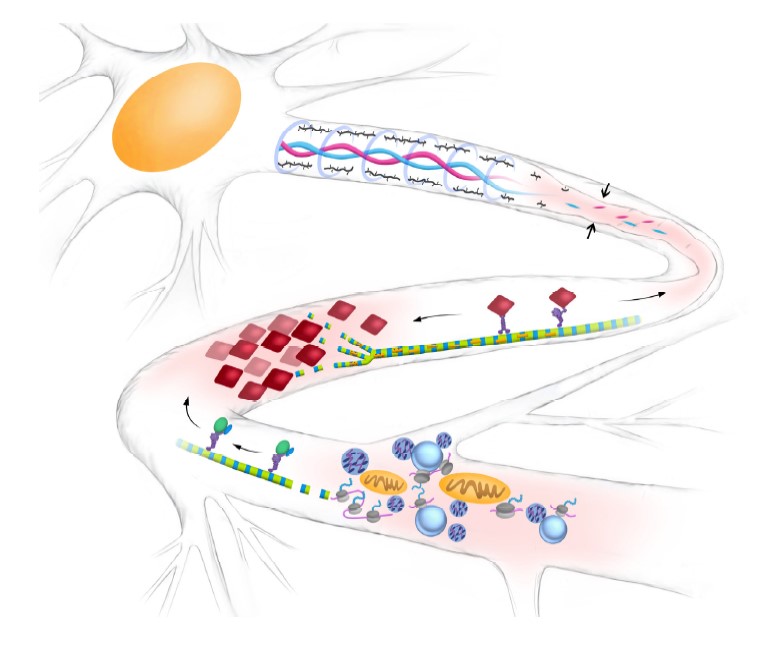
Illustration of axonal local translation
Axonal local translation illustration from the existing laboratory site.

Disease Mechanisms

We apply RNA biology to neurological conditions in which dysregulation is implicated, including epilepsy, brain tumours, and neurodegenerative disease. The goal is to connect mechanistic insight with diagnostic and therapeutic opportunities.

Microscopy image of a neuronal growth cone
Image credit: Dr William A. Harris, as credited on the existing site.

Human-relevant models

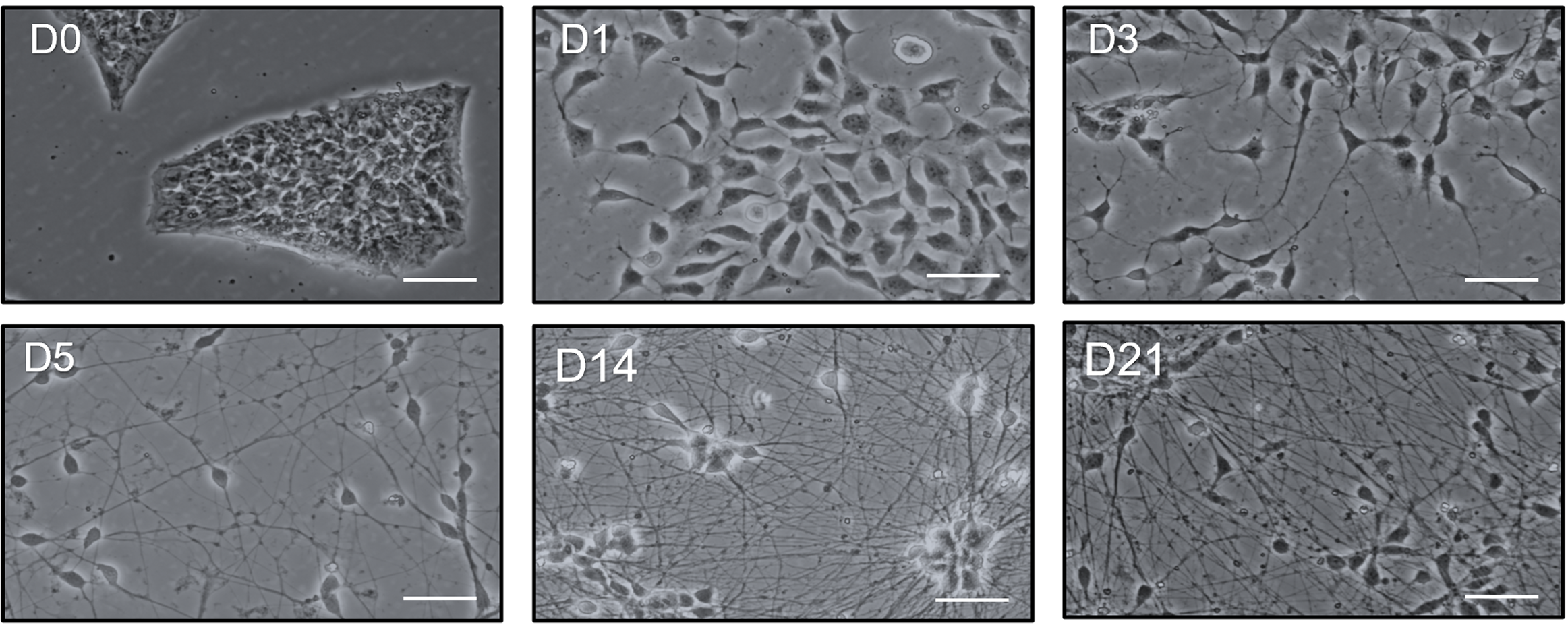
iPSC-derived neurons and astrocytes to connect basic discovery with disease mechanisms and therapeutic screening.

Six microscopy views showing iPSC-derived neuronal differentiation from day 0 to day 21
iPSC-derived neuronal differentiation, D0–D21.

How we observe the map

Synaptic compartment isolation

Synaptosome isolation by FACS and gradient centrifugation to isolate functional synaptic junctions.

Translatome profiling

Global views of the mRNAs actively translated into protein under defined biological conditions.